Optimal Timing for Furniture Restorations
Spring is ideal due to moderate humidity and temperature, reducing the risk of damage during restoration.
Summer offers longer daylight hours and stable weather, facilitating outdoor work and drying processes.
Fall provides cooler temperatures and lower humidity, which are beneficial for certain restoration techniques.
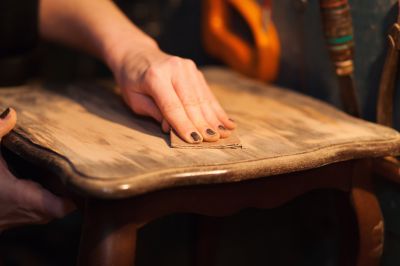
Ways to make Furniture Restorations work in tight or awkward layouts.
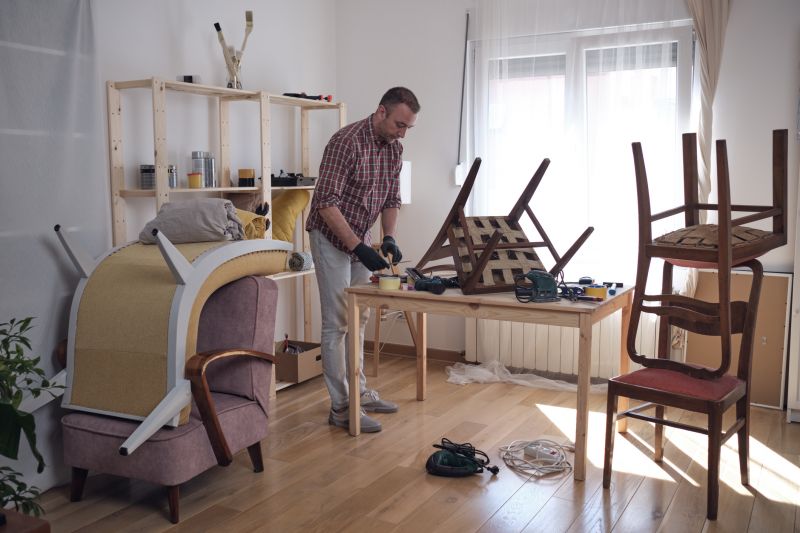
Popular materials for Furniture Restorations and why they hold up over time.
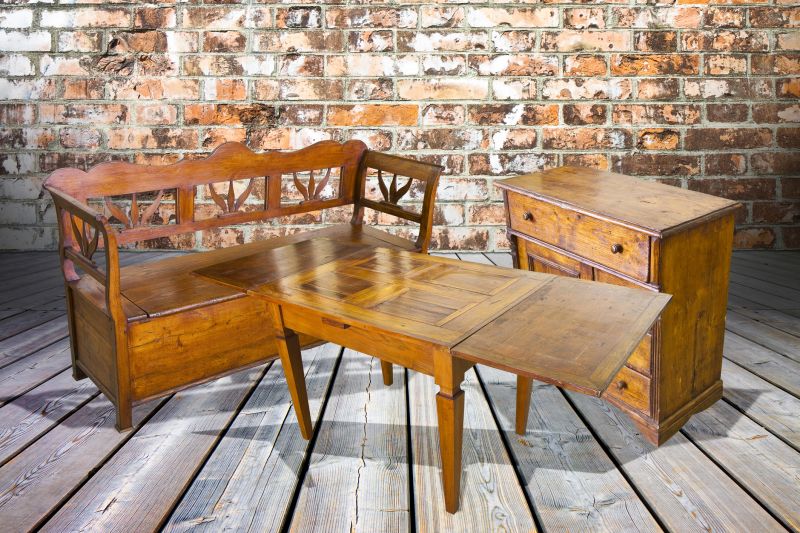
Simple add-ons that improve Furniture Restorations without blowing the budget.
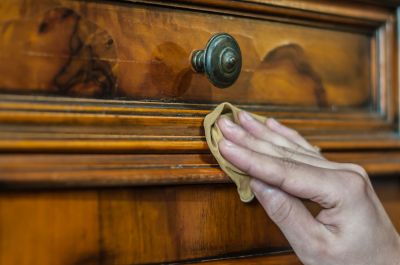
High-end options that actually feel worth it for Furniture Restorations.
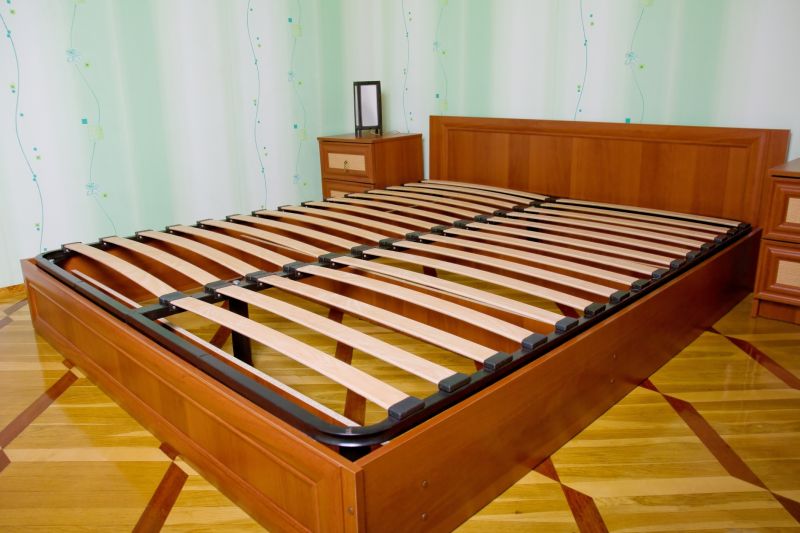
Finishes and colors that play nicely with Furniture Restorations.
Furniture restorations are typically performed when the piece shows signs of wear, damage, or aging that affect its appearance or structural integrity. The timing depends on environmental conditions, the type of material, and the specific restoration process required. Proper timing ensures optimal results and longevity of the restored furniture.
Statistically, furniture restoration projects peak during seasons with stable weather, such as spring and fall, due to the reduced risk of warping, cracking, or other damage caused by extreme humidity or temperature fluctuations. Restorers often recommend scheduling work during these periods for best outcomes.
Different materials, like wood or upholstery, may require specific conditions for optimal restoration timing.
Humidity and temperature levels significantly influence the success of restoration processes.
Certain techniques are better suited to specific seasons to ensure proper curing and adhesion.
Timing restorations correctly can extend the lifespan of furniture and maintain its value.

Antique pieces often require restoration during periods of low humidity to prevent damage.
Modern furniture can be restored year-round, but optimal results are achieved in mild weather.
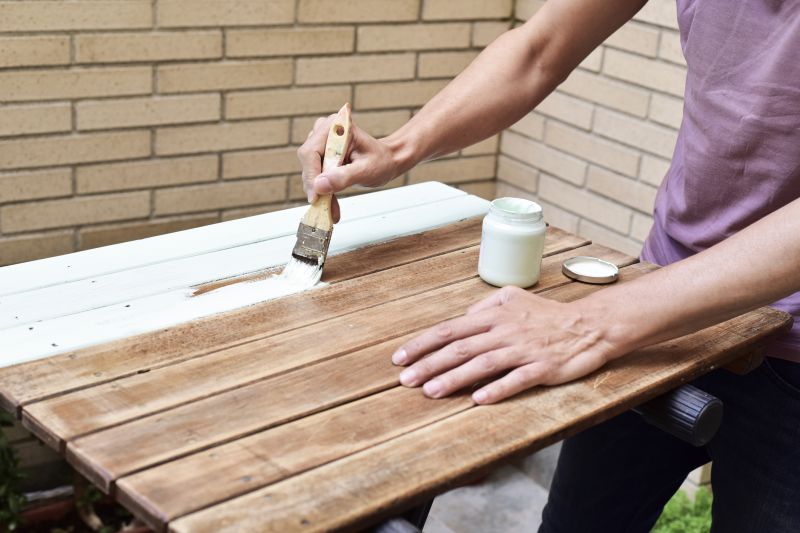
Outdoor restorations are best scheduled during dry, warm months to facilitate painting and sealing.
Indoor projects are less affected by seasonal changes but still benefit from stable environmental conditions.
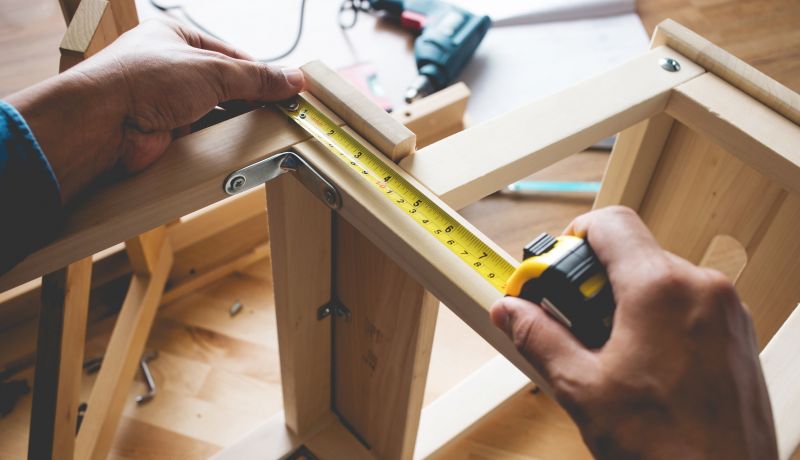
Little measurements that prevent headaches on Furniture Restorations day.
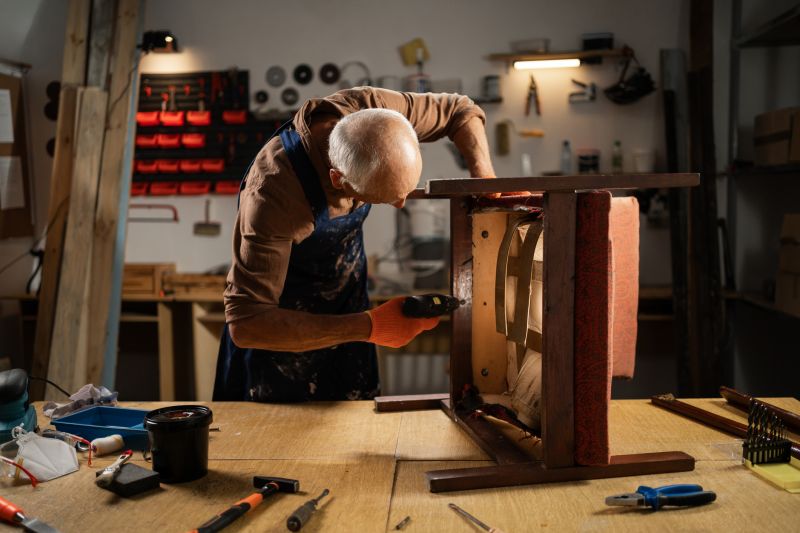
A 60-second routine that keeps Furniture Restorations looking new.
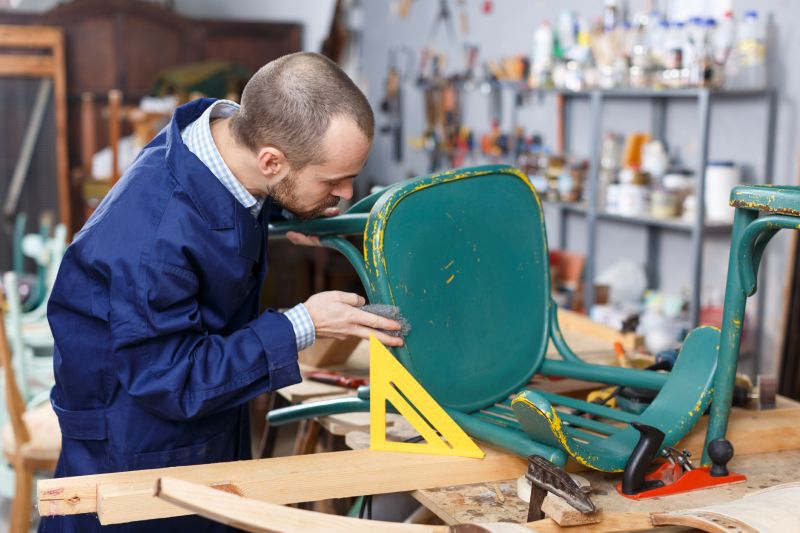
A frequent mistake in Furniture Restorations and how to dodge it.
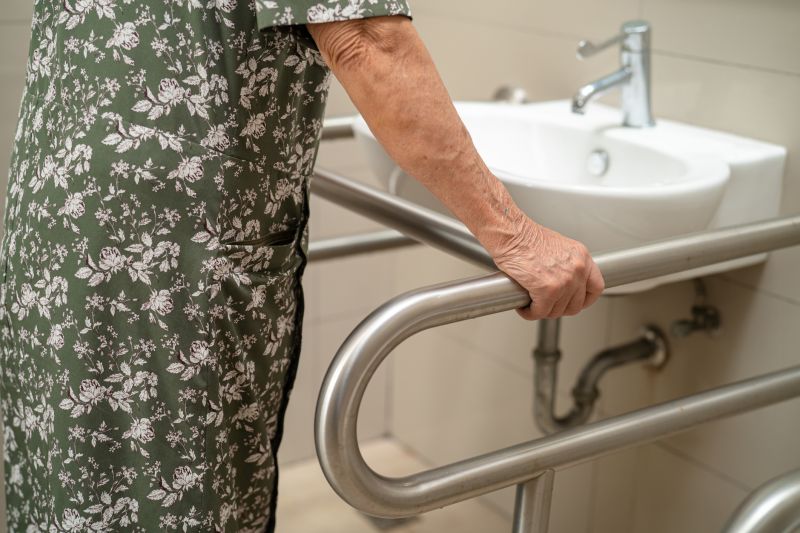
Small tweaks to make Furniture Restorations safer and easier to use.
| Season | Recommended Activities |
|---|---|
| Spring | Light cleaning, minor repairs, refinishing |
| Summer | Outdoor refinishing, structural repairs |
| Fall | Deep cleaning, restoration sealing |
| Winter | Indoor restoration, detailed touch-ups |
Choosing the appropriate time for furniture restoration can enhance the durability and appearance of the finished piece. Consulting with restoration professionals can provide guidance tailored to specific furniture types and local climate conditions.
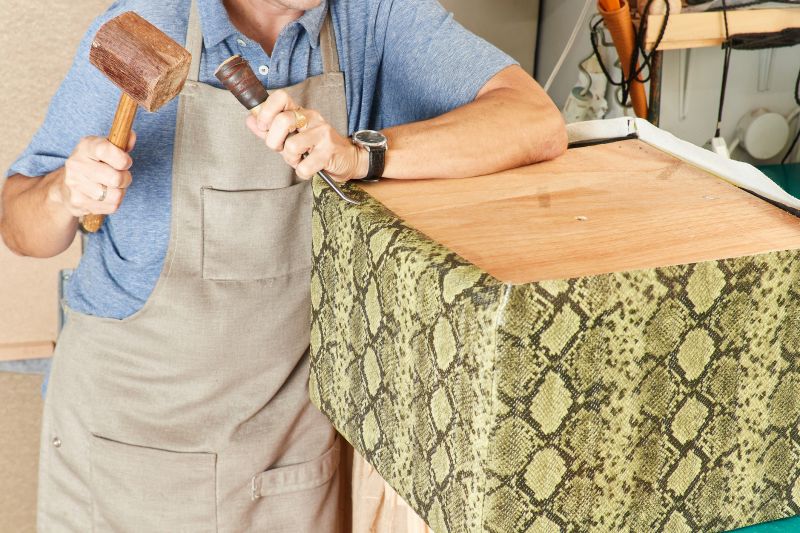
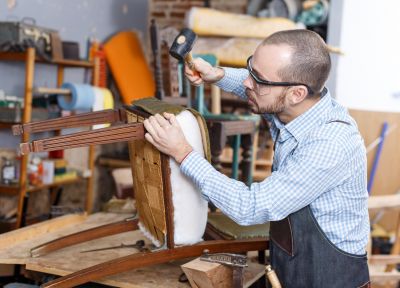
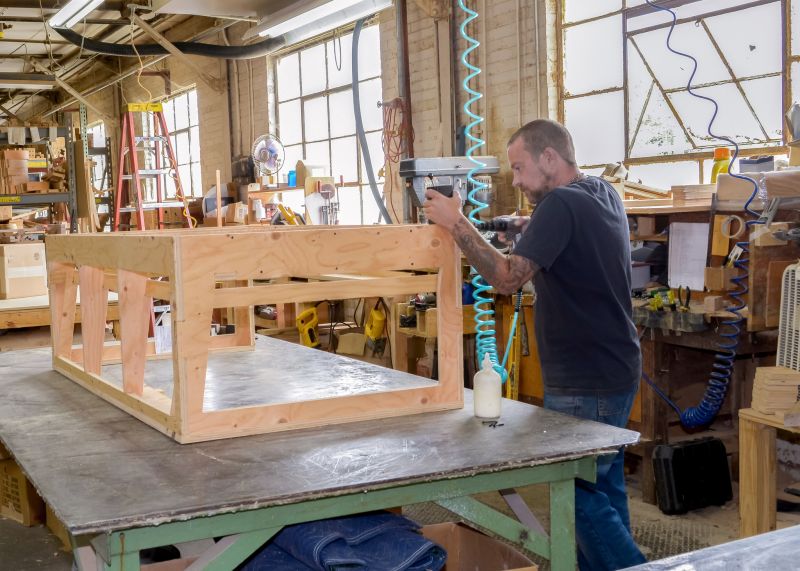
A detailed view of furniture undergoing restoration, highlighting techniques used.
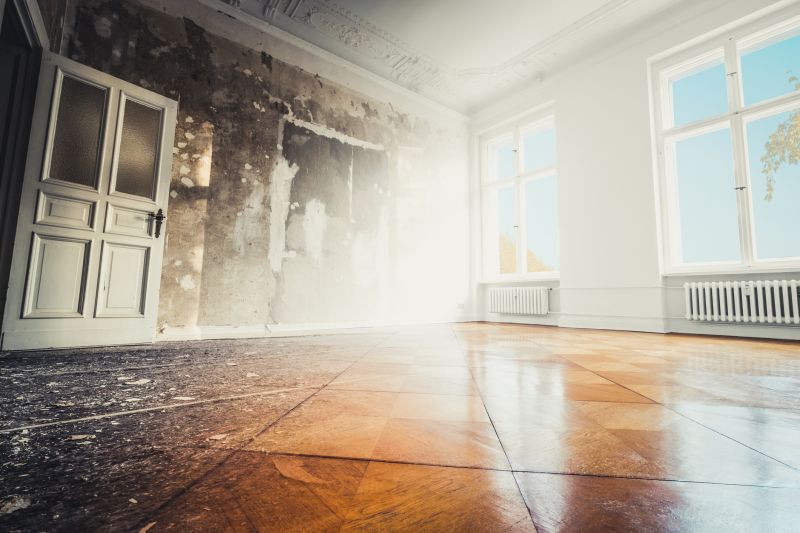
A piece restored to its original beauty, showcasing craftsmanship.
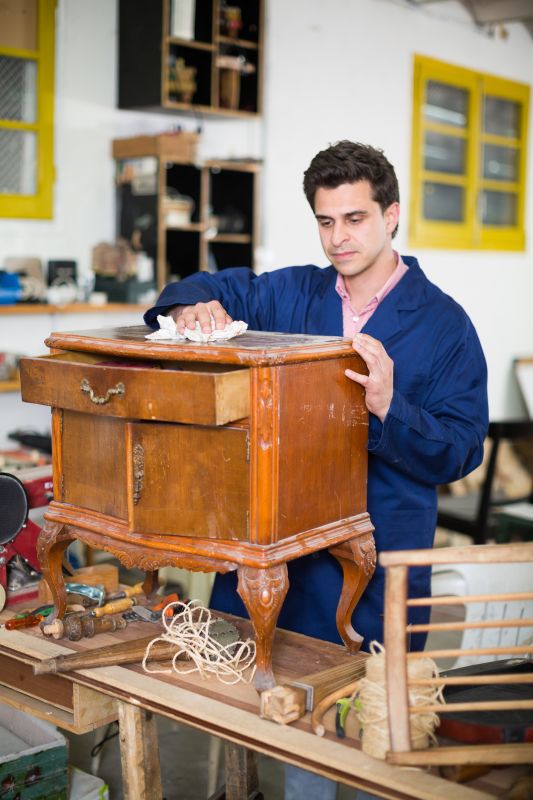
Essential tools and supplies used during furniture restoration.

A workspace dedicated to furniture restoration projects.

Lower-waste or water-saving choices for Furniture Restorations.
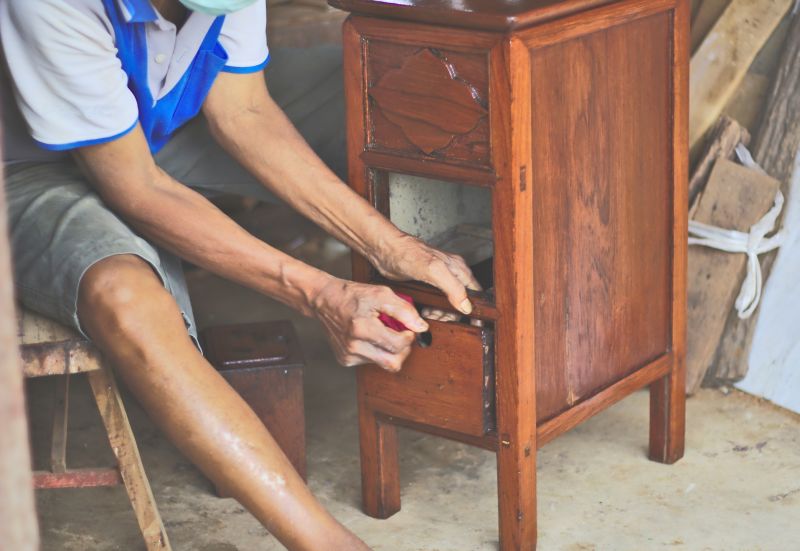
The short, realistic tool list for quality Furniture Restorations.
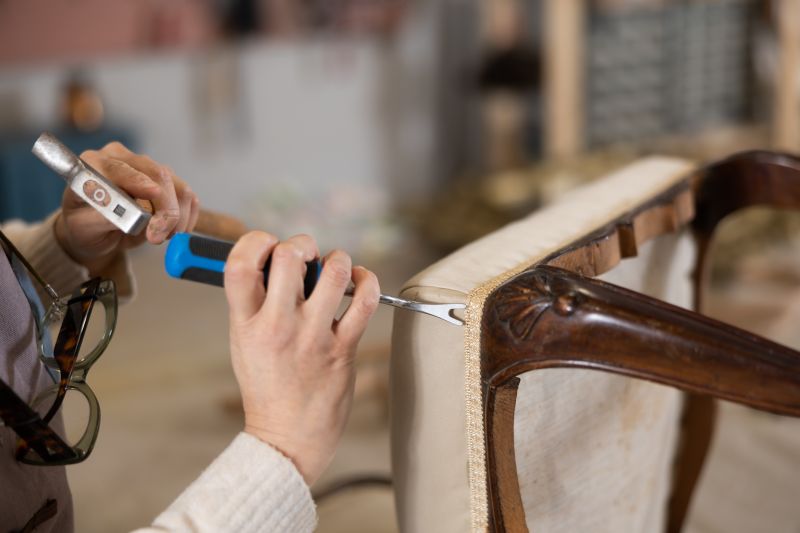
Rough timing from prep to clean-up for Furniture Restorations.
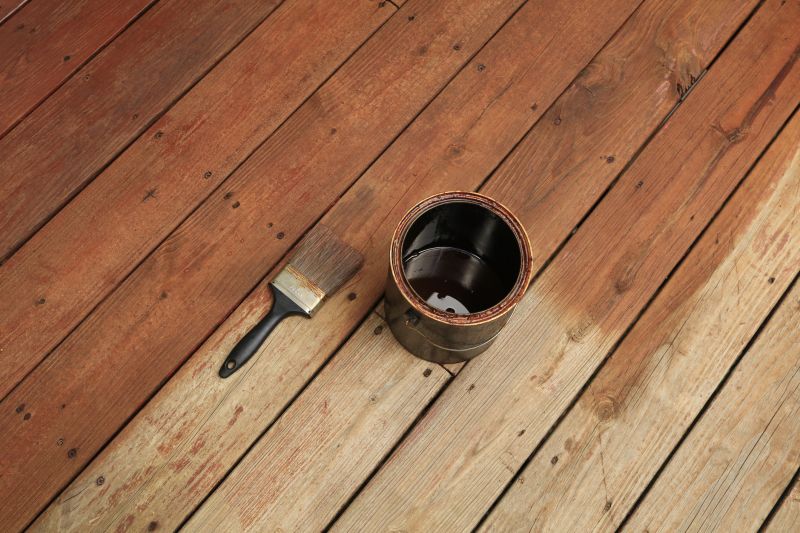
Quick checks and paperwork to keep after Furniture Restorations.
Interested in restoring furniture? Filling out the contact form can provide access to professional advice and scheduling options to ensure optimal timing and results for each project.